Most executives believe technology failures are technical in nature. Downtime, cybersecurity incidents, missed deadlines, and rising IT costs are often blamed on tools, vendors, or internal teams. In reality, these issues are almost never caused by technology alone.
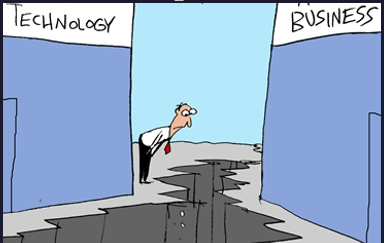
They are caused by a leadership gap. When technology lacks clear executive ownership, strategy becomes reactive. Decisions are made tactically, risks compound quietly, and organizations slow down without understanding why.
The Most Common Misdiagnosis in Business Technology
When something breaks, leadership asks technical questions. Why did the system fail. Why was the breach not stopped. Why does IT cost so much. These questions feel logical, but they address symptoms rather than causes.
Technology outcomes are shaped months or years before an incident occurs. They are shaped by how decisions are made, who owns them, and whether technology is treated as a strategic function or a support utility.
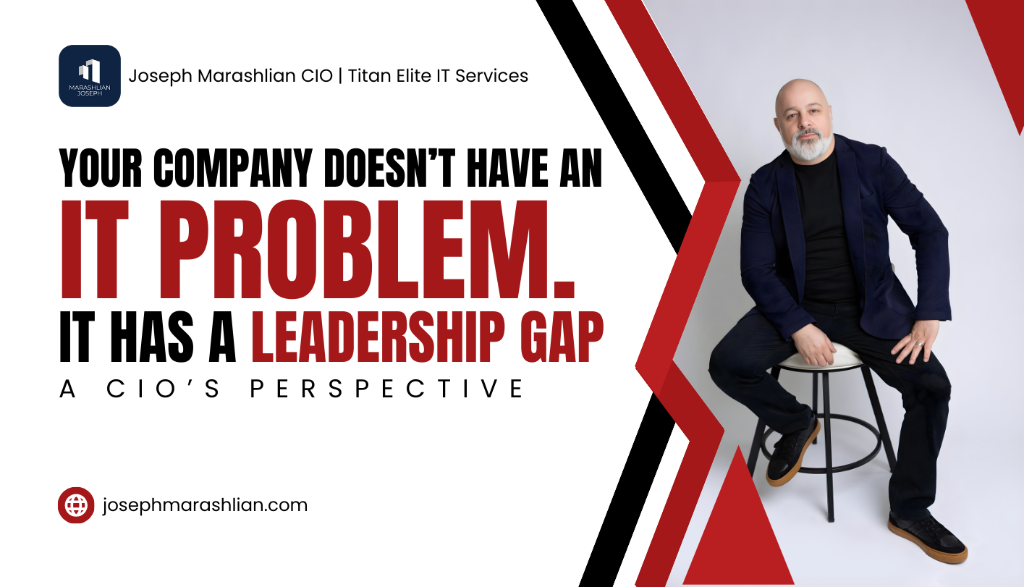
"Your company does not have an IT problem. It has an IT leadership gap."
Why Technical Questions Miss the Real Problem
Organizations rarely ask the harder questions. Who owns technology outcomes end to end. How are technology risks communicated to leadership. Are decisions driven by business goals or short-term convenience. When these questions go unanswered, even the best tools and teams struggle.
Where the Leadership Gap Actually Forms
The leadership gap rarely appears overnight. It forms slowly through reasonable decisions that never get revisited — delegating technology entirely to vendors, measuring IT only by uptime, approving tools without understanding long-term impact. Over time, these decisions create fragmentation and risk.
Fragmented Ownership
When no single leader owns technology outcomes, accountability disappears. Vendors execute tasks. Internal IT maintains systems. Executives approve budgets. No one owns results.
Tactical IT Instead of Strategic Leadership
Ticket counts and response times do not measure whether technology is enabling growth. They only measure activity. Without strategic oversight, organizations become excellent at reacting and poor at planning.
Growth Without Foundation
As companies scale, complexity increases. Systems that once worked begin to strain. Security gaps widen. Employees develop workarounds. Leadership feels friction but cannot identify the source.
Why Strong IT Teams Still Fail Without Executive Direction
Many organizations have skilled IT professionals or reputable MSPs and still struggle. This is not a failure of execution. It is a failure of direction.
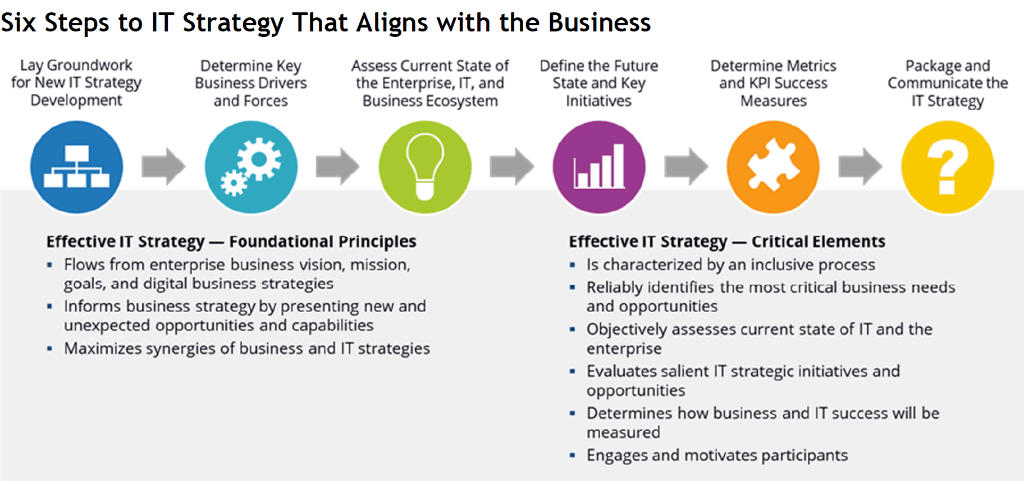
IT teams are designed to implement and support. They are not positioned to challenge executive assumptions, translate risk into business terms, or design long-term architecture. That responsibility belongs to a CIO.
The Real Cost of the Leadership Gap
The leadership gap rarely causes immediate failure. That is why it persists. Instead, it produces slow, compounding damage.
- Slower execution of strategic initiatives
- Rising cybersecurity and compliance exposure
- Technology debt that compounds quietly
- Vendor lock-in without leverage
- Burnout among high performers
- Reactive spending instead of planned investment
By the time leadership reacts, remediation is expensive and disruptive.
How High-Performing Organizations Close the Gap
Organizations that move faster and operate with confidence do not rely on luck. They install executive-level technology leadership deliberately.
One Accountable Technology Leader
There is a single executive owner for technology outcomes. This leader understands business priorities, risk tolerance, and execution realities.
Technology Strategy Aligned to Business Goals
Technology decisions are evaluated against growth plans, regulatory exposure, and operational scalability. Tools support strategy, not the other way around.
Risk Communicated in Business Language
Cybersecurity, compliance, and continuity risks are framed in financial and operational terms. Leadership understands tradeoffs before incidents occur.
Questions Every Executive Should Ask Today
- Who owns our technology outcomes end to end?
- Can we explain our top technology risks in business terms?
- Are our systems designed for where we are going?
- Do we have a roadmap or just a backlog?
- Are we proactive or simply busy?
If these questions feel uncomfortable, that is the signal.
Final Thought for Executives
Technology is no longer separate from business performance. Organizations that treat it as support will continue to crawl. Organizations that lead it deliberately will leap forward.
"The difference is not budget. The difference is leadership."