Artificial intelligence is no longer an experimental add-on or a future trend. It has become the primary force shaping enterprise competitiveness, operational efficiency, and strategic direction. From automation to predictive analytics to digital workforce augmentation, AI is rewriting the enterprise playbook faster than most organizations can adapt.
Executives and business owners are now facing a pivotal moment: lead the shift or get left behind by it.
AI Is Reshaping Modern Organizations Faster Than Expected
Over the last 24 months, enterprise AI adoption has exploded. Tools once locked behind multimillion-dollar budgets are now accessible through cloud platforms, no-code workflows, and automation systems.
1. AI Is Becoming the "New Operating Layer" of Organizations
AI is no longer just a tool. It is becoming the backbone that supports decision-making, security, customer experience, and internal productivity.
- Faster cycle times across all departments
- Reduced operational overhead and cost
- Stronger alignment between strategy and execution
2. AI Is Creating Data-Driven Enterprises
Executives who embrace AI gain real-time visibility into risk, performance, and customer behavior. Leaders who do not adopt AI are left making decisions with incomplete information.
3. AI Is Turning Small Teams Into High-Impact Teams
AI magnifies human capability. The companies winning today are not necessarily larger — they are faster, more adaptive, and more augmented by intelligent systems.
"AI transformation must happen top-down — led by executives with a clear strategy."
The Executive's Role: Lead the Strategy, Not the Tools
AI initiatives fail when leaders treat them as IT projects instead of strategic transformations. Executives must take ownership of five critical leadership responsibilities.
1. Clarity of Purpose
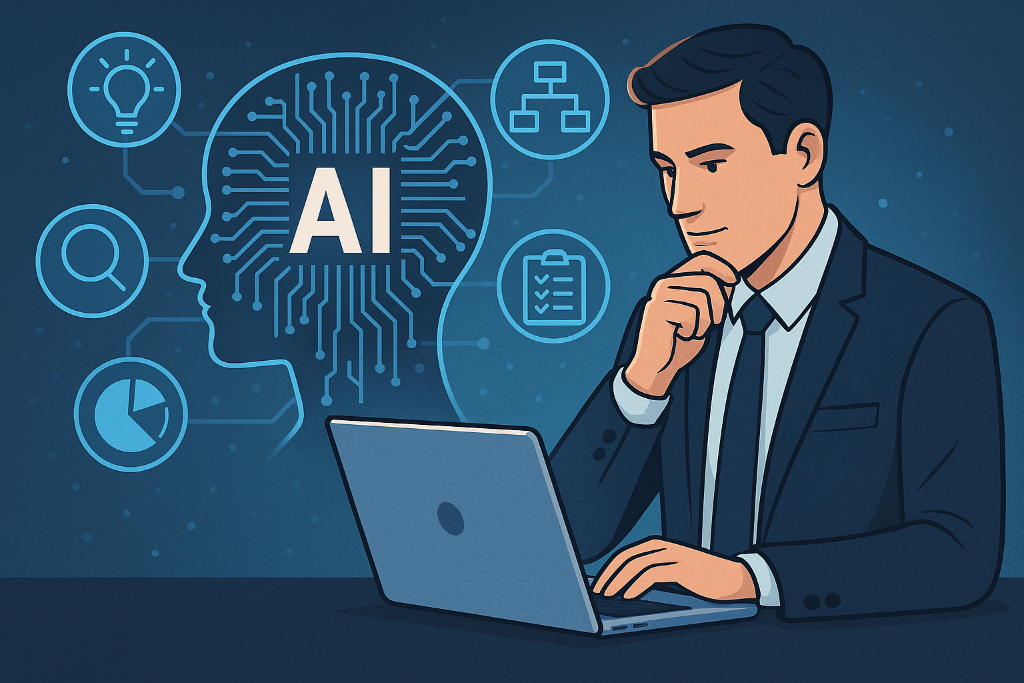
Before investing in AI, leaders must define the problem they want to solve, the workflow to improve, and the measurable value to create. AI without purpose creates noise. AI with purpose creates advantage.
2. Ethical and Secure Implementation
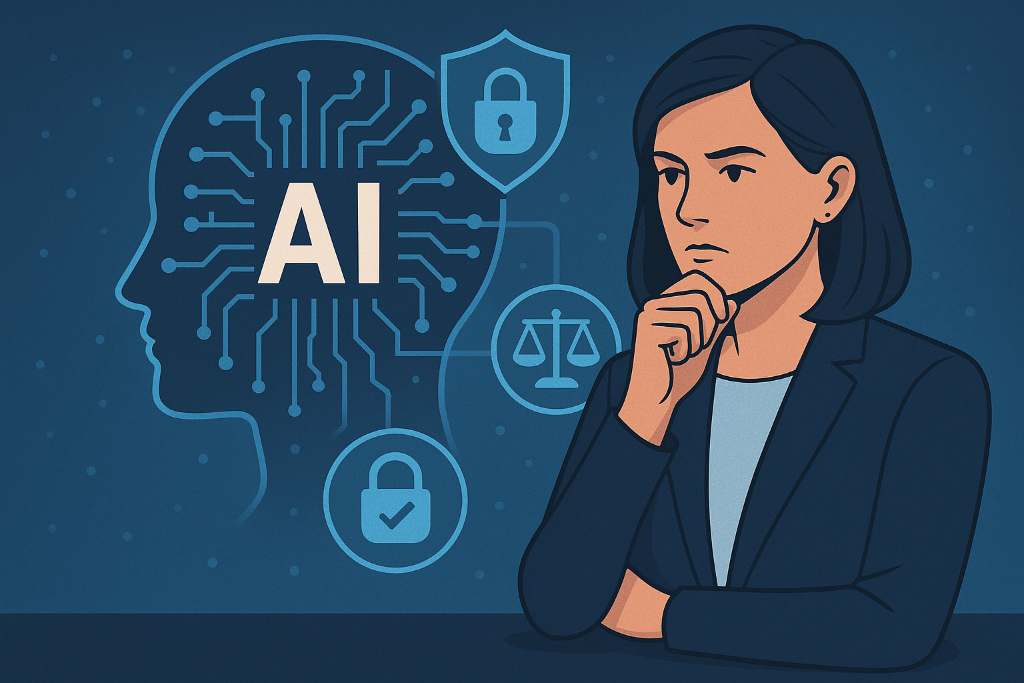
AI brings new risks including data exposure, bias, shadow IT, and third-party model dependency. Executives must establish clear policies that both enable innovation and protect the enterprise.
3. Change Management and Team Enablement
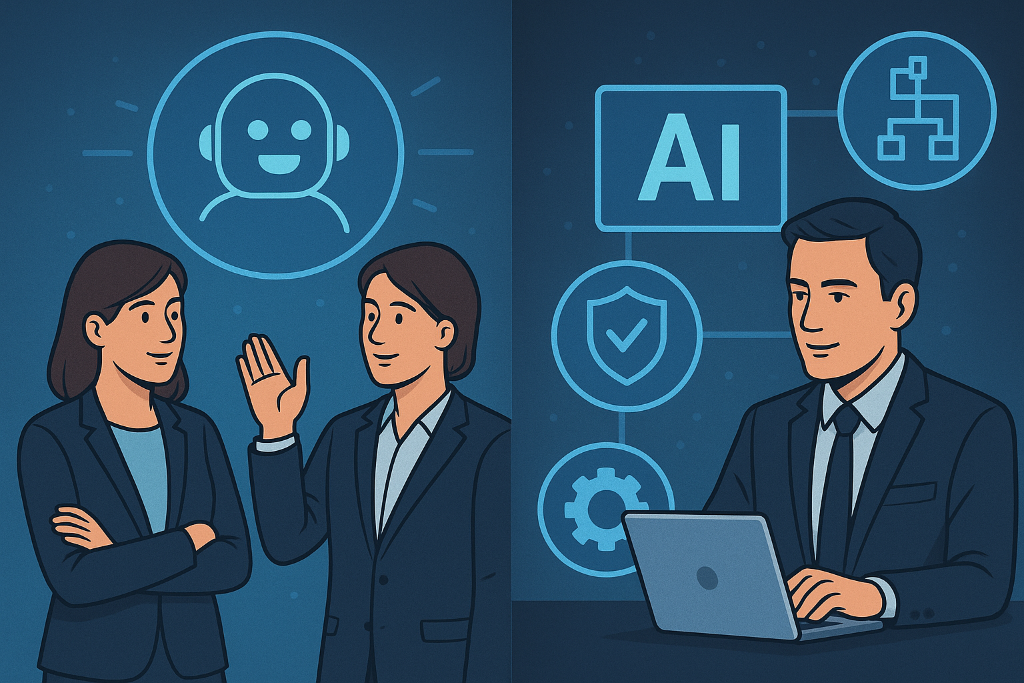
AI transformation succeeds only when teams understand the tools, feel empowered, and see AI as amplification, not replacement. Teams should feel supported — not threatened — by AI adoption.
4. Governance and Oversight
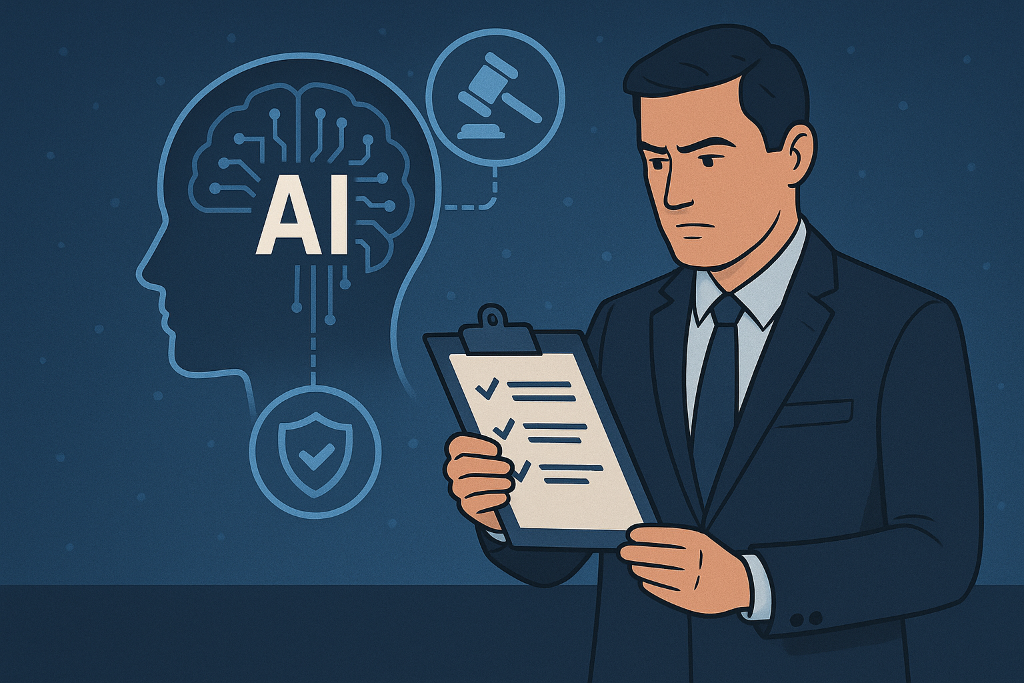
Strong governance ensures data integrity, transparency, regulatory compliance (HIPAA, SOC 2, GDPR), and responsible use. Without governance, AI becomes a "wild west" inside the business.
5. Integration Into Existing Systems
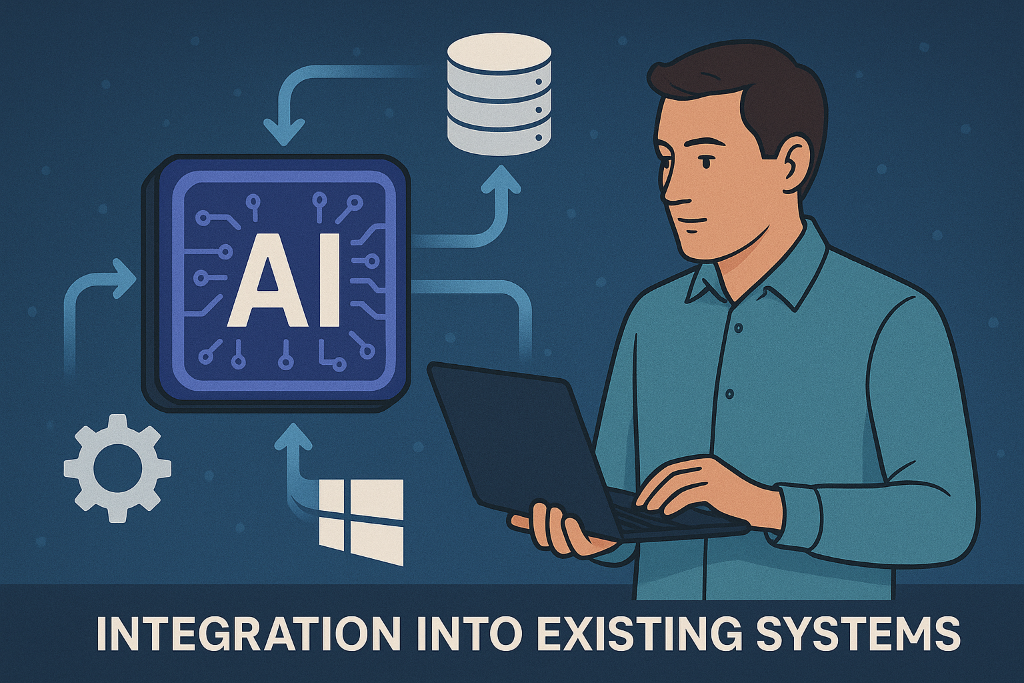
AI only creates value when it works with cloud platforms, business applications, security tools, and core workflows. Isolated AI wins nothing. Integrated AI reshapes the enterprise.
Real-World AI Use Cases Making an Impact
- Automated reporting and data aggregation
- Intelligent workflow routing
- Smart scheduling and resource allocation
- AI-driven anomaly detection
- Identity threat protection
- Automated compliance monitoring
- Real-time analytics and forecast modeling
- Executive dashboards with predictive indicators
- Personalized customer experience at scale
How Executives Can Lead Through the Shift: A Practical Roadmap
- Conduct an AI Readiness Assessment — Identify data maturity, security posture, workflow gaps, and team capability.
- Define a Strategic AI Vision — Align with business goals around growth, efficiency, compliance, and customer experience.
- Select High-Value Use Cases First — Start with projects that deliver measurable impact within 90 days.
- Build Governance and Guardrails — Protect your data, brand, and reputation while enabling innovation.
- Enable Your Teams — Train staff so AI supports their work rather than replacing it.
- Measure, Refine, Scale — AI is not a one-time project; it becomes part of the operating system of the business.
Final Thoughts: The Future Belongs to AI-Empowered Leaders
AI is not a disruption to fear. It is an opportunity to reshape enterprise performance, increase clarity, and drive growth with more precision than ever before. Executives don't need to become AI engineers. They need to become AI-prepared leaders.
"The companies that win the next decade will be led by people who understand how to combine human leadership with intelligent systems."