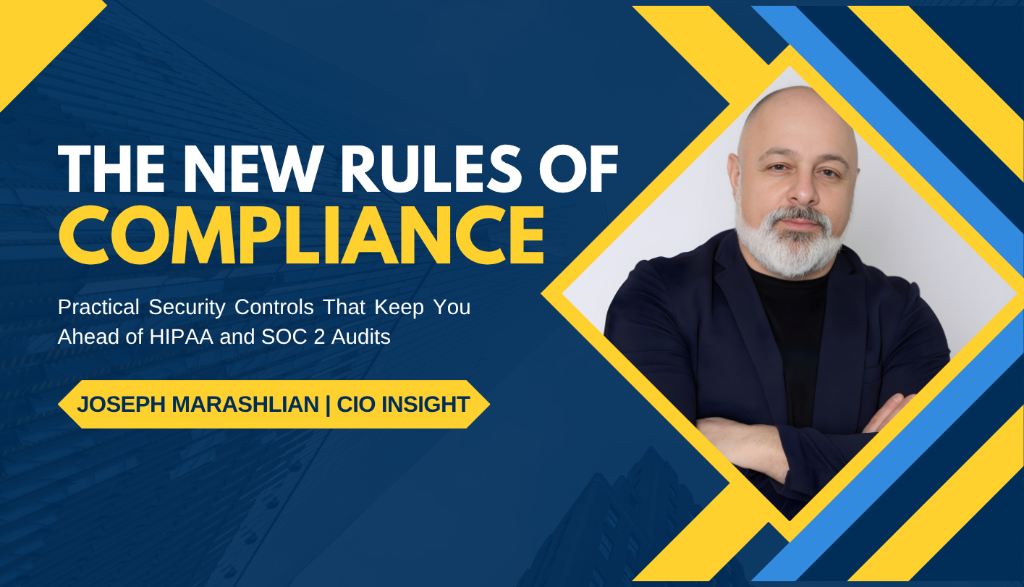
Compliance is no longer a once-a-year checkbox activity. Modern organizations — especially those handling medical, financial, or sensitive customer data — are facing stricter enforcement, tighter audit requirements, and more aggressive breach penalties than ever before.
HIPAA and SOC 2 are two frameworks that executives often struggle with because both demand real-world security maturity, not just paperwork. Today's threat landscape demands visibility, automation, strong security controls, and continuous oversight.
Why Compliance Requirements Have Changed
Compliance used to be a guided process. Auditors told organizations what they needed, gave feedback, and helped shape controls. Today, the environment is very different:
- Threat actors target HIPAA and SOC 2 regulated businesses because they know the value of the data
- Laws and regulations carry heavier penalties for misconfigurations and breaches
- Auditors now require evidence-based controls, not verbal assurances
- Cloud adoption has created more complexity, more integrations, and more risk
Executives can no longer rely on outdated documentation or "best-effort" security policies. Compliance requires technical precision, complete visibility, and mature operational processes.
HIPAA vs. SOC 2 — What Leaders Must Understand
HIPAA (Healthcare Data Security & Privacy)
HIPAA centers on Protected Health Information (PHI) and mandates strict safeguards to ensure confidentiality, integrity, and availability. If your organization touches patient data in any way — even indirectly — HIPAA applies.
SOC 2 (Security for Technology & Service Providers)
SOC 2 evaluates whether your internal controls protect client data across security, availability, processing integrity, confidentiality, and privacy. Most technology-driven companies must meet SOC 2 if they handle customer data, integrate with client systems, or provide cloud-based services. While HIPAA is mandatory for covered entities, SOC 2 is often a market requirement to win enterprise clients.
"Annual audits are validation, not preparation. Continuous compliance is now the standard."
What Modern Auditors Expect
1. Real-Time Visibility Over Static Policies
Policies alone are no longer enough. Auditors want proof of enforcement — access logs, configuration history, endpoint protection reports, vulnerability scans, audit trails, and MFA enforcement logs. If you're relying on outdated documents or manual evidence collection, you're already behind.
2. Zero-Trust as a Baseline Standard
Zero-trust is no longer optional. Auditors expect MFA on every privileged account, role-based access, device authentication, least privilege by default, no shared credentials, and continuous access monitoring. Organizations that fail zero-trust often fail the audit.
3. Cloud Misconfigurations Are Now the #1 Compliance Risk
The majority of HIPAA and SOC 2 findings come from publicly exposed cloud storage, misconfigured identity permissions, lack of logging, incomplete encryption, and shadow IT. Executives must ensure their IT team performs cloud configuration reviews regularly — not only before an audit.
4. Incident Response Must Be Documented and Practiced
Both frameworks require a written IR plan, roles and responsibilities, communication flow, incident logs, and post-incident review procedures. New guidance also requires evidence that you've tested your plan. If your team has never done a tabletop exercise, you're not compliant.
5. Continuous Compliance Is Now the Standard
Modern organizations implement automated log collection, continuous monitoring, vulnerability management, security baselines, monthly compliance reviews, and quarterly risk assessments.
High-Impact Security Controls Every Organization Needs
1. Identity & Access Hardening
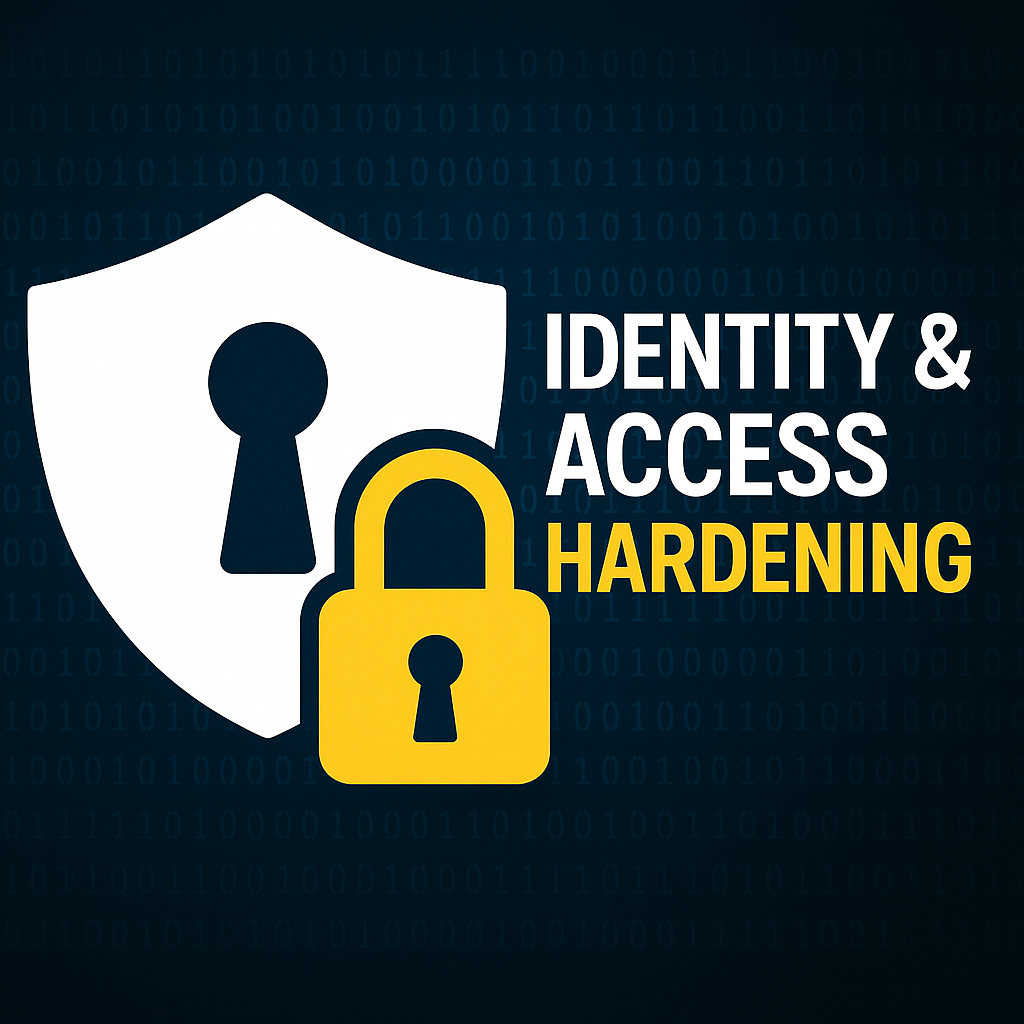
- MFA everywhere — no exceptions
- SSO for all business-critical applications
- Role-based access tied to job duties
- Automated off-boarding
- Quarterly access reviews
- Passwordless / phishing-resistant authentication
Identity is the new security perimeter — not the firewall.
2. Endpoint & Device Compliance
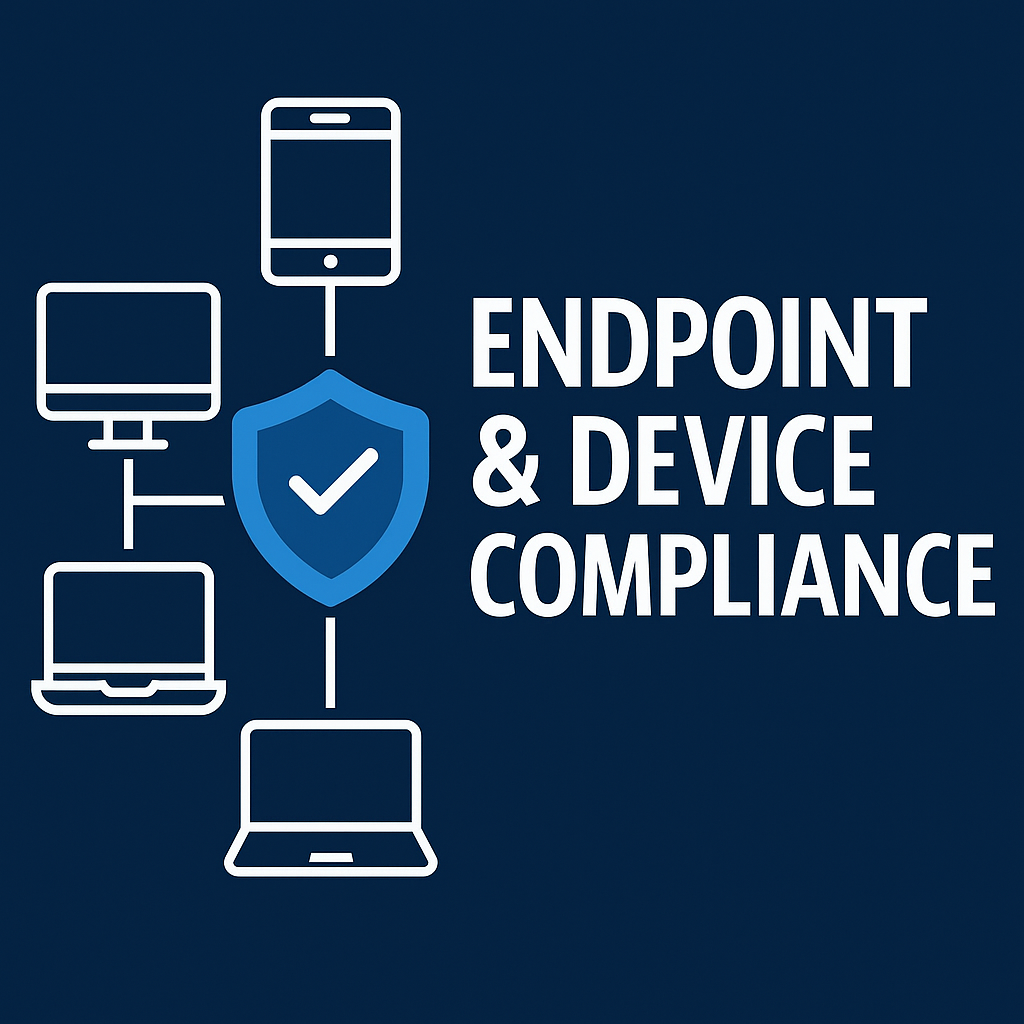
- Device encryption on all endpoints
- EDR/XDR installation and active monitoring
- Patch compliance
- Geo-location restrictions and remote wipe capability
3. Secure Cloud Infrastructure
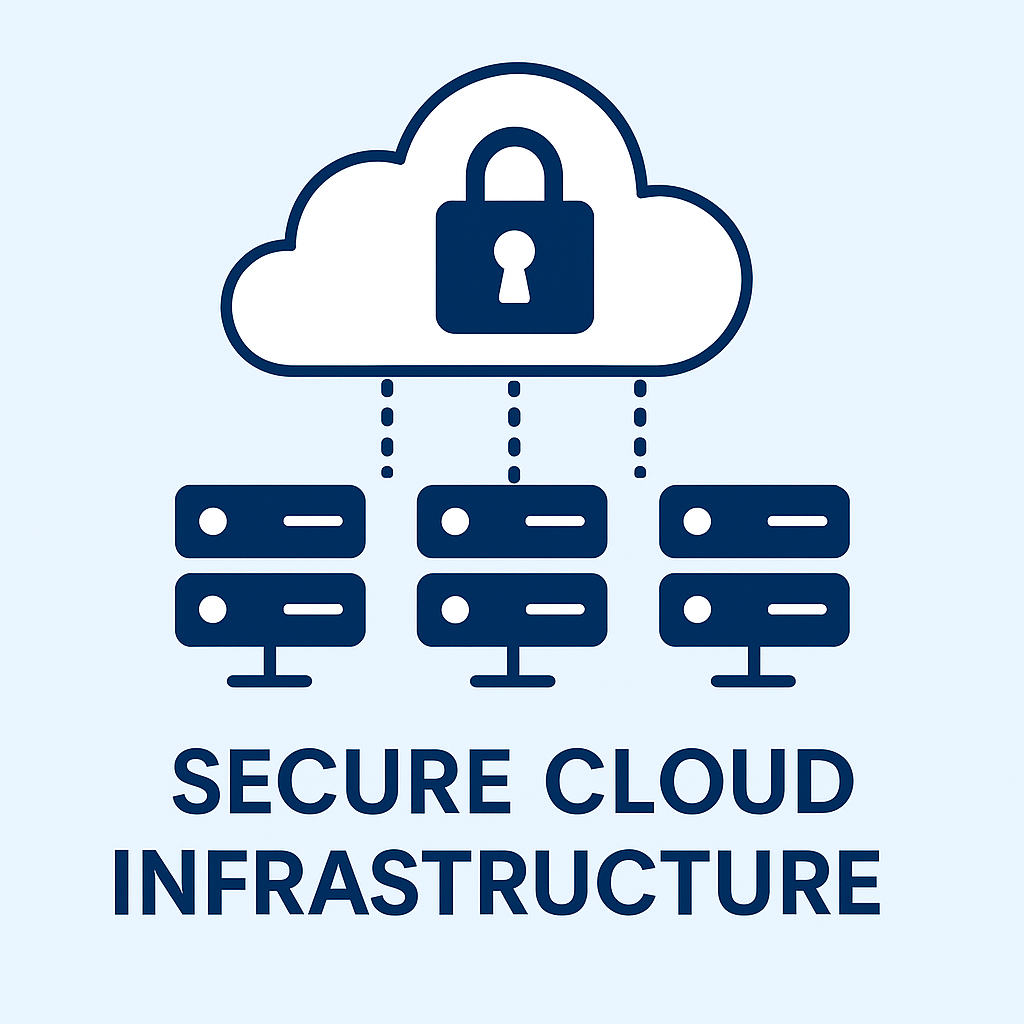
- Private networks with key management
- Encryption at rest and in transit
- IAM permission monitoring
- Automated backups with compliance baselines
4. Vulnerability and Patch Management
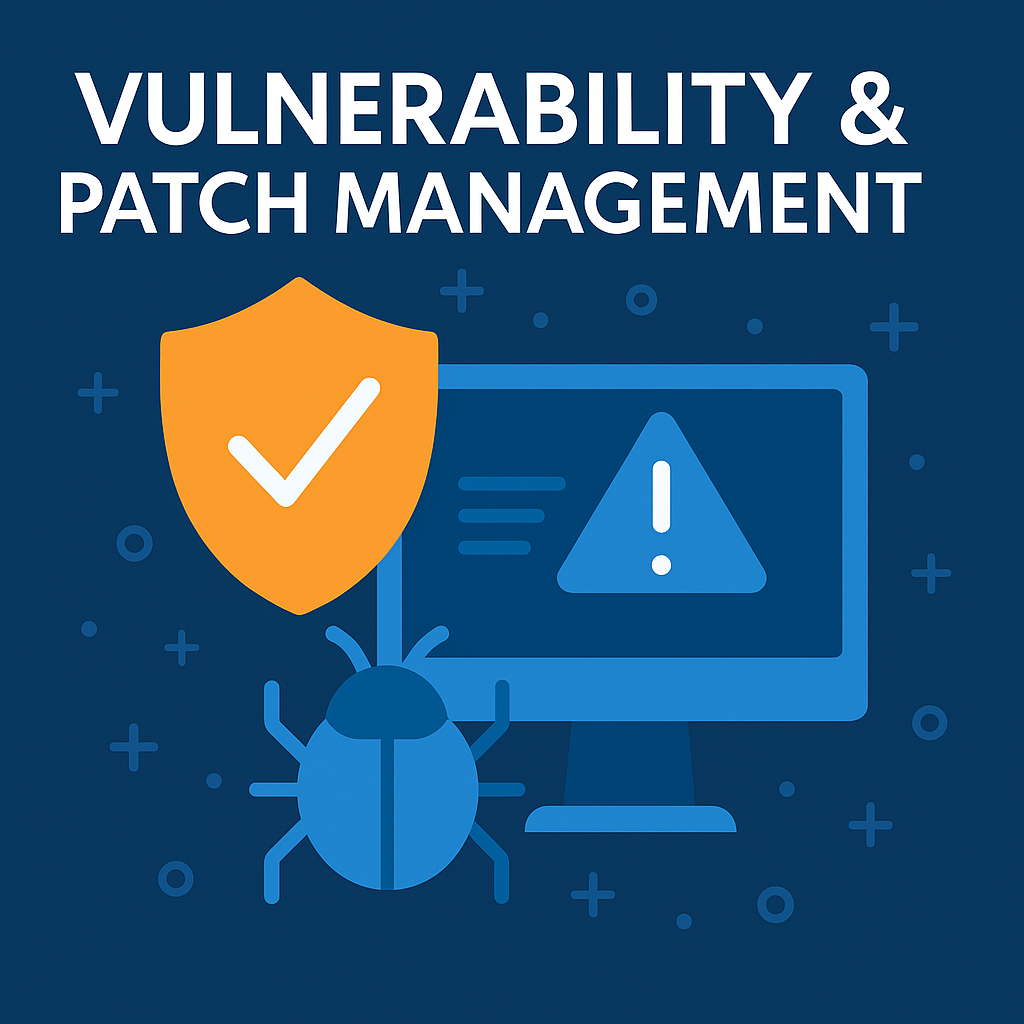
No organization passes SOC 2 with unpatched high-severity issues. Auditors require scheduled scans, prioritized remediation, documentation of timelines, and SLA-based remediation policies.
5. Logging, Evidence Collection, and Continuous Monitoring
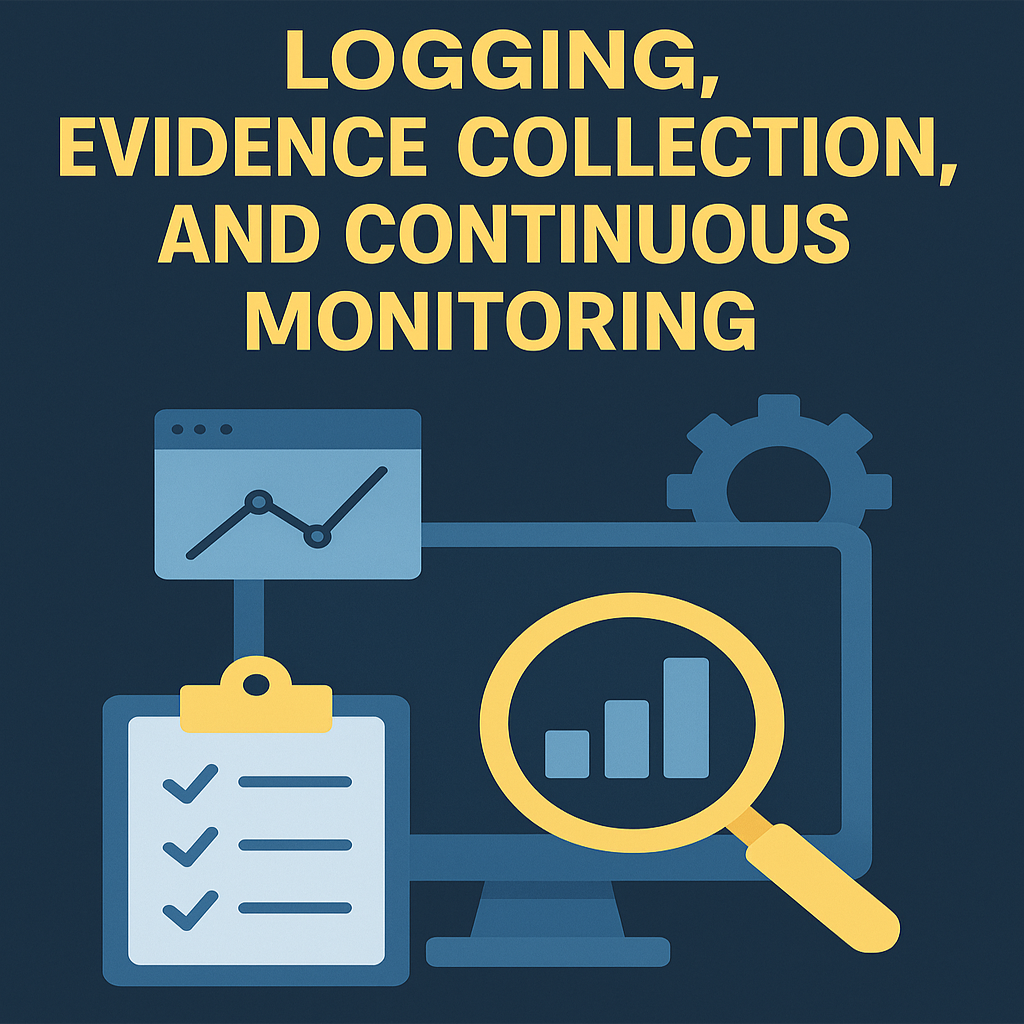
Compliance demands centralized logging through a SIEM, immutable audit logs, automated alerts, incident correlation, and monthly compliance reporting. You cannot pass SOC 2 without verifiable logs.
Final Thoughts: Compliance Is Evolving — Leadership Must Evolve With It
HIPAA and SOC 2 are no longer frameworks to "meet." They are security operating systems that must be embedded into daily operations.
- Reduce security risk and avoid penalties
- Win larger clients and build partner trust
- Strengthen their operational maturity
- Pass audits without scrambling at the last minute