A stable, secure, and always-available IT environment isn't optional anymore. Executives today face unprecedented pressure to keep systems online, protect sensitive data, support remote teams, and move faster than ever — without risking outages, breaches, or operational chaos.
Yet many organizations still rely on fragile infrastructures, outdated processes, and reactive IT support that only surfaces problems after they've already caused damage.
"The companies that thrive today are the ones that build IT environments that never fail — engineered for resilience, continuity, and long-term growth."
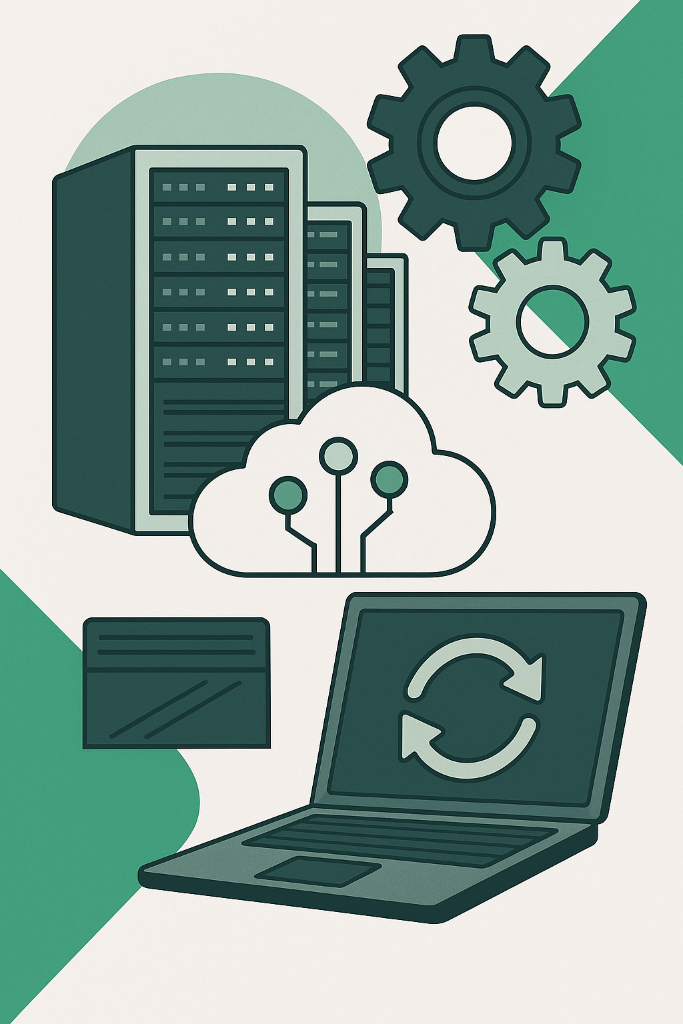
What Does a "Never-Fail" IT Environment Truly Mean?
An IT environment that never fails is not one that never encounters issues — every organization faces hardware failures, cyber threats, and unexpected disruptions. A "never-fail" environment means:
- Issues don't become outages
- Threats don't become breaches
- Maintenance doesn't stop operations
- Teams stay productive regardless of location
- Technology supports growth instead of limiting it
This requires a strategic mix of redundancy, strong cybersecurity, infrastructure design, monitoring, governance, and proactive support.
Why Most IT Environments Fail — What Executives Must Correct
1. Lack of Standardization
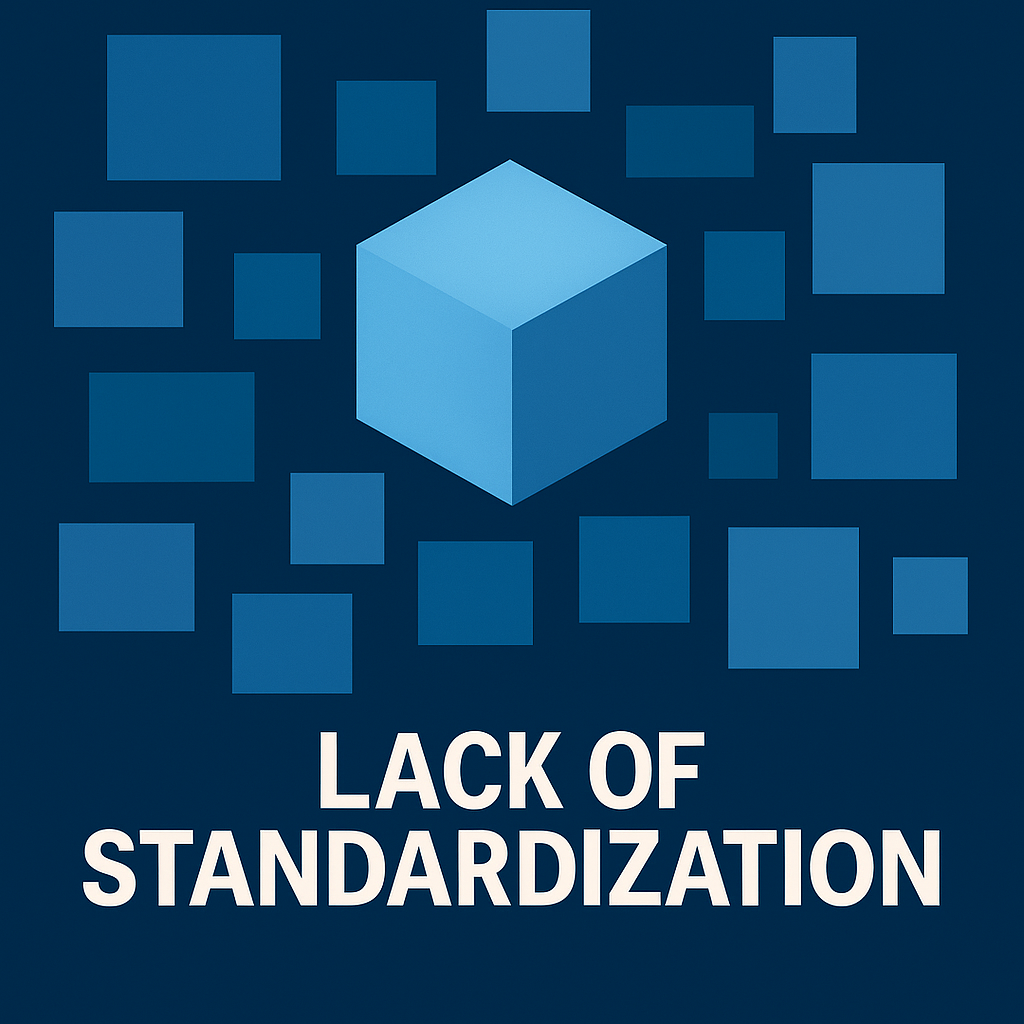
When every workstation, application, and configuration looks different, IT becomes unpredictable and impossible to secure. Standardization enables consistent performance, easier troubleshooting, lower support costs, and stronger security baselines.
2. No Real-Time Visibility

Organizations that rely on human detection instead of automated monitoring are always reacting too late. Visibility requires centralized dashboards, endpoint reporting, network health monitoring, and automated alerting. This is foundational for both uptime and security.
3. Fragmented Cybersecurity

Many companies deploy security tools, but without integration or governance, those tools produce noise — not protection. A secure environment requires identity and access hardening, patch and vulnerability management, endpoint protection, email security, and zero trust principles.
4. No Business Continuity or Redundancy Plan
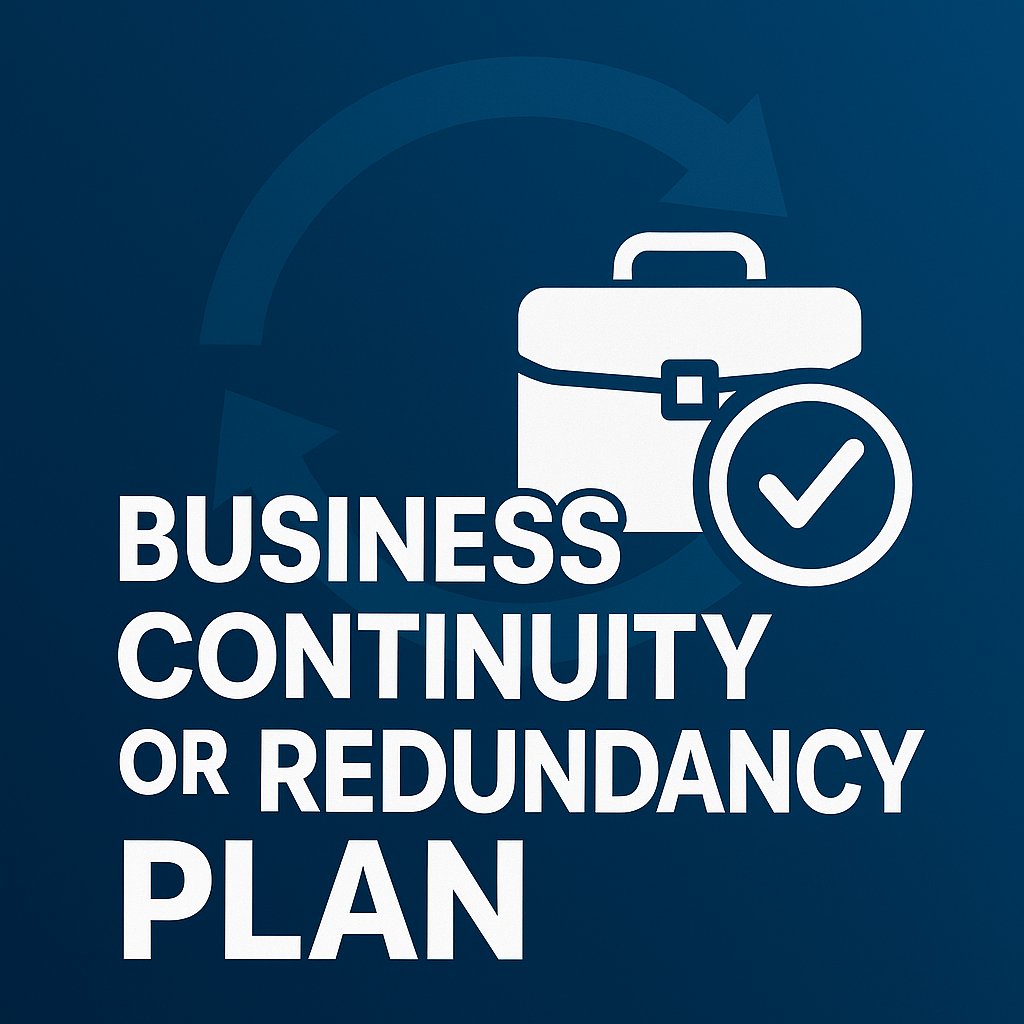
If the plan for an outage is "call IT," the business is already in trouble. Executives need redundant systems, backup connectivity, cloud failover strategies, and incident response playbooks. These elements transform downtime into quick recovery.
A Framework for an IT Environment That Never Fails
1. Infrastructure Hardening & Modernization
Assess every layer of your environment — servers, network topology, firewalls, switches, wireless systems, and cloud architecture — then modernize and secure them using best-in-class design principles.
2. Cybersecurity Built Into Every Layer
Security is not an add-on — it is engineered into identity and access, devices and endpoints, cloud workloads, email, backups, network segmentation, and monitoring. This creates a resilient zero-trust architecture. Learn more about Joseph's security strategy and services.
3. Business Continuity and Disaster Recovery (BC/DR)
Build continuity plans that support 24/7 operations, remote work, cloud failover, redundant connectivity, and rapid recovery from ransomware or outages. A resilient business must be able to operate even when primary systems fail.
4. Proactive Monitoring and Automated Remediation

Use enterprise-grade monitoring tools to detect abnormalities, predict failures, patch vulnerabilities, and stop threats automatically. This approach reduces outages by more than 70% across most environments.
5. Executive-Level Reporting and Governance

Executives should have clear visibility into risks, performance, asset health, compliance posture, security weaknesses, and IT spending efficiency. This helps leadership make decisions with confidence — not reaction.
The Outcome — A Stable, Secure, Scalable IT Environment
- Fewer outages and higher uptime
- Higher security with cleaner governance
- Faster performance and happier teams
- Predictable operations and lower long-term IT cost
Final Thoughts: Resilience by Design, Not Luck
Technology environments don't become stable by chance. They become stable because they are designed, engineered, secured, and actively maintained with intention.
"If you want an IT environment that never fails, it starts with taking a leadership approach to infrastructure and security."