Cybersecurity threats aren't slowing down — they're accelerating. Attackers automate, AI enhances phishing, and gaps inside organizations grow faster than most teams can keep up with.
For many executives, the challenge is balancing security, operations, and limited time. The good news: meaningful progress doesn't require a major overhaul. A handful of practical, focused moves can cut a substantial amount of cybersecurity risk within a single quarter.
"Security is no longer just an IT initiative. It is a leadership responsibility — and a competitive advantage for companies that prioritize it."
1. Enforce Multifactor Authentication Everywhere
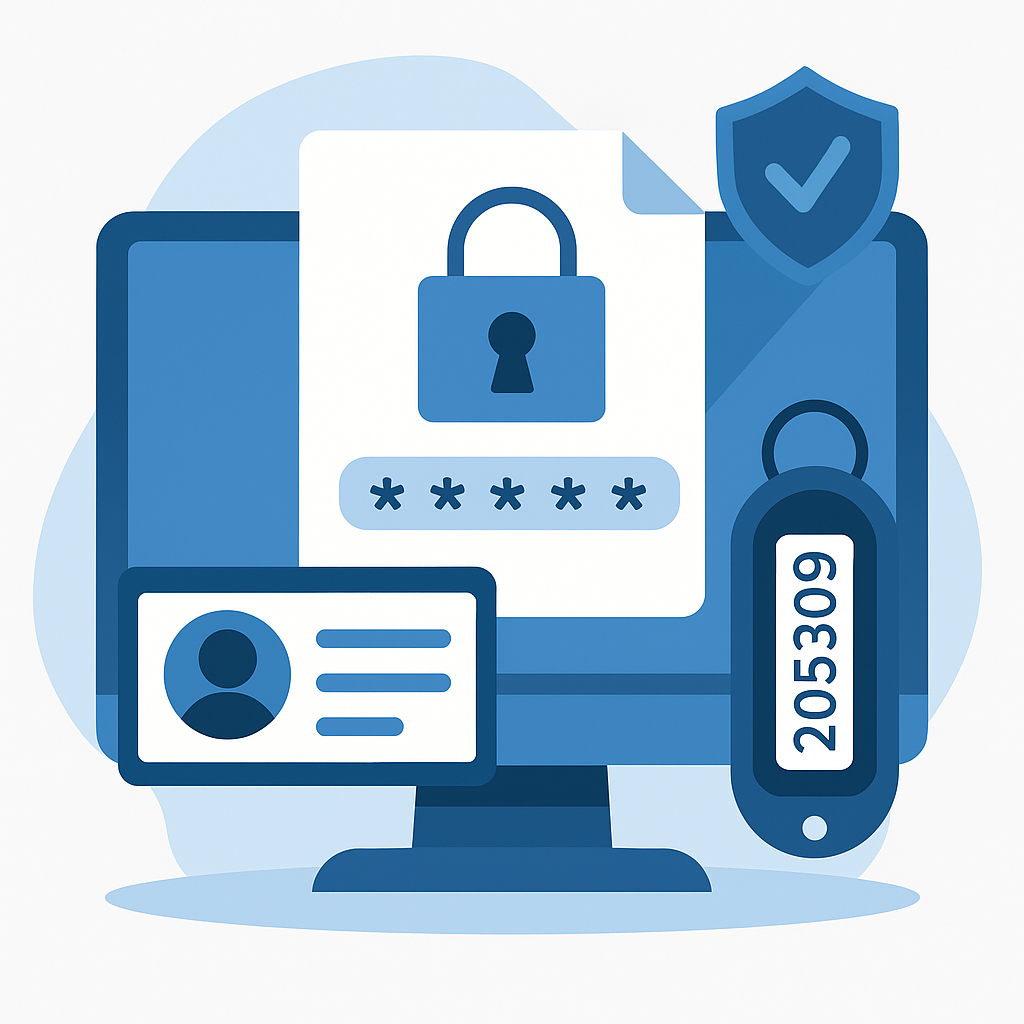
Passwords alone no longer protect anything. MFA instantly blocks the majority of unauthorized access attempts, especially credential-stuffing, phishing, and remote login attacks.
- Require MFA across all critical systems — email, VPN, cloud platforms, finance tools
- Replace weak SMS codes with authenticator apps or hardware keys
- Enable conditional access to block risky or unknown locations
- Require MFA for administrator accounts without exception
This one move often reduces an organization's breach exposure more than anything else.
2. Patch the Systems That Actually Matter
Most companies patch "when they get time." Attackers don't wait. A risk-based patching model ensures that the systems most likely to be exploited get fixed first.
- Patch internet-facing systems weekly
- Apply critical/high-severity patches within 7 days
- Remove outdated or unused applications entirely
- Automate updates where possible
- Maintain an executive report showing remaining high-risk vulnerabilities
Your goal is not to patch everything fast — it's to patch the riskiest things first.
3. Strengthen Email Security — Your #1 Threat Vector

More than 90% of attacks begin with email. Modern email security tools catch what traditional filters miss — especially AI-powered phishing and impersonation attempts.
- Advanced phishing and spoofing defense (anti-impersonation tools)
- Block malicious forwarding rules and unknown senders
- Implement DMARC, DKIM, SPF for brand and inbox protection
- Provide short, quarterly user training — no long modules
These changes dramatically reduce phishing success rates almost immediately.
4. Improve Endpoint Security on Every Device
With remote work and cloud adoption, the endpoint has become the new perimeter. A compromised device is often all an attacker needs to move laterally through a network.
- Deploy EDR/XDR instead of legacy antivirus
- Force device encryption on laptops and mobile devices
- Require screen-lock and short timeout policies
- Remove local admin rights from standard users
- Block unapproved USB storage
- Enforce secure device onboarding policies
Stronger endpoint controls stop most modern ransomware and credential-harvesting attacks.
5. Implement Real-Time Monitoring and Automated Remediation
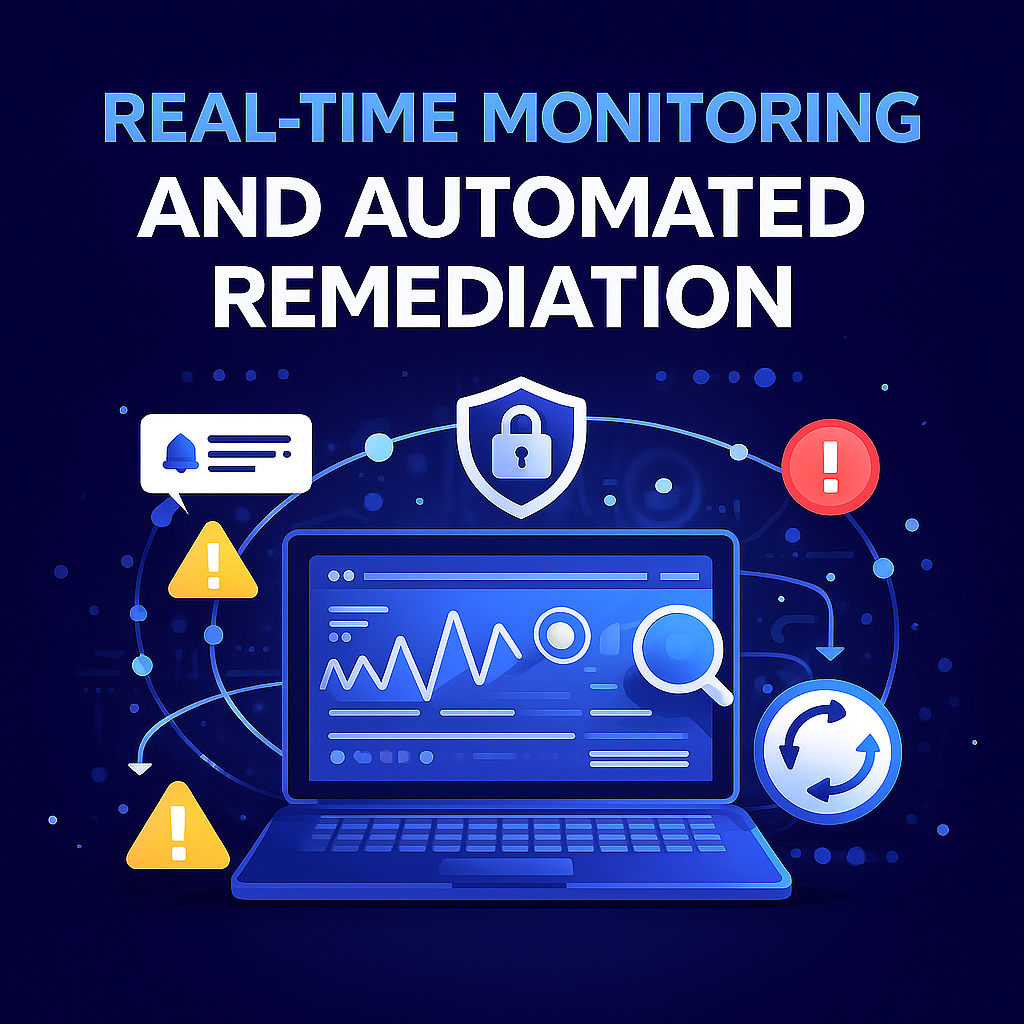
You cannot fix what you cannot see. Modern monitoring provides early warning signals — often before an attack becomes damaging.
- Centralized log collection (SIEM or modern cloud SIEM-lite)
- Alerts for suspicious logins, failed authentication bursts, new admin accounts
- Automated isolation of compromised devices
- Weekly executive summaries outlining top risks and recommended actions
Organizations with real-time visibility catch incidents 5–10x faster than those relying only on antivirus.
Final Thoughts
Reducing cybersecurity risk doesn't require massive projects — it requires focus. These five practical moves allow any organization, regardless of size, to strengthen security, reduce business exposure, and operate with more confidence.
Ready to take the next step? Schedule a consultation with Joseph Marashlian to review your current security posture and build a practical roadmap forward.